
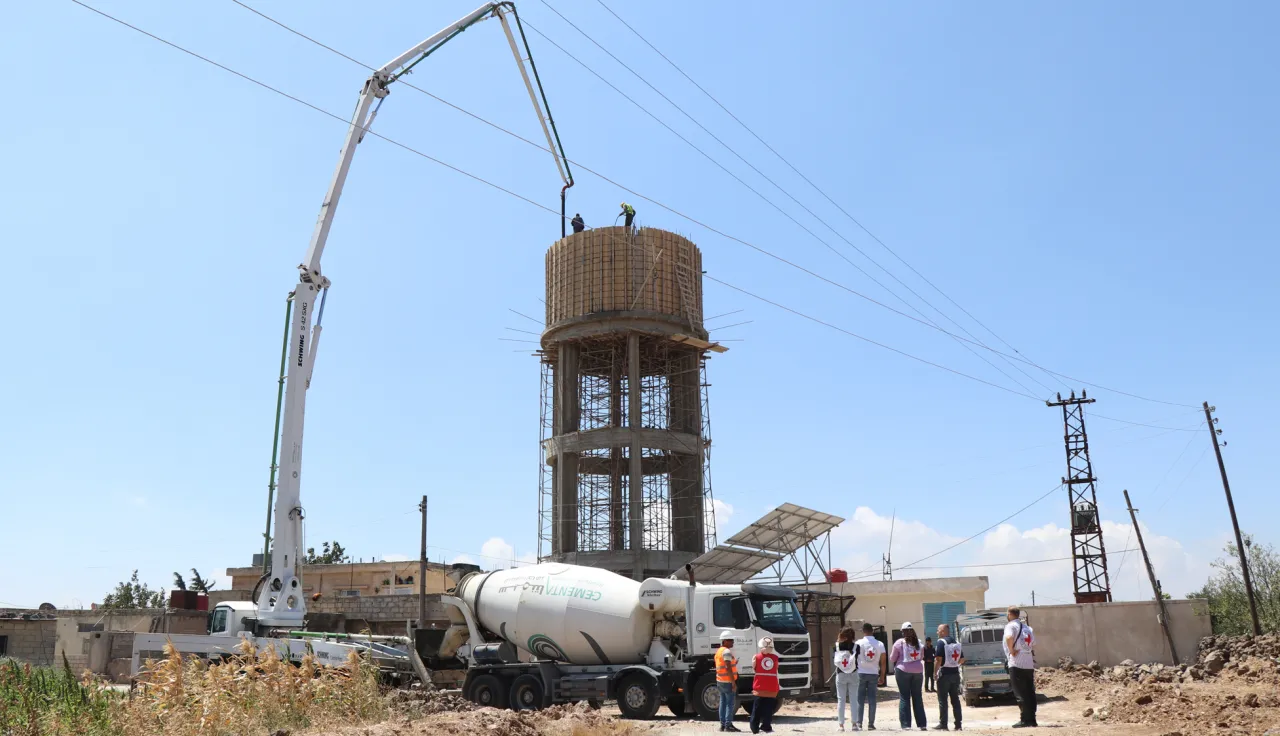
Armed conflicts continue to have devastating consequences on access to water and other essential services. Damage to critical infrastructure disrupts access to safe water, health care, sanitation and electricity, with serious consequences for public health, livelihoods and the dignity of affected communities. As conflicts become increasingly protracted and humanitarian needs continue to grow, protecting and restoring these essential services remains essential to saving lives and reducing suffering.
For more than four decades, the ICRC has worked alongside local authorities and service providers to help ensure that people affected by armed conflict can continue to access water and other essential services. Combining emergency response with longer term resilience, we support the maintenance and rehabilitation of critical infrastructure while engaging with parties to conflict to promote respect for international humanitarian law and the protection of civilian infrastructure.
The briefer provides an overview of the humanitarian consequences of conflict on essential services, explains the ICRC's unique approach to water and habitat programming, and highlights our work in two contexts where these challenges are particularly acute: the Democratic Republic of the Congo and Ukraine.
As humanitarian needs continue to outpace available resources, flexible and timely support remains essential to enable the ICRC to protect lives, preserve dignity and maintain access to essential services for communities affected by armed conflict.
Download: Water and habitat in conflict - 2026 Briefer
2026-Briefer_Water-and-habitat-in-conflict.pdf PDF file 2 MBRelated
 Article 30-07-2026
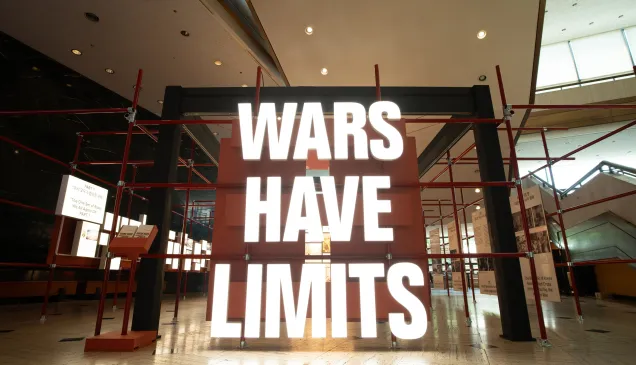
 ICRC holds exhibition in Seoul to mark the 60th anniversary of Republic of Korea’s accession to the Geneva Conventions
 Article 29-07-2026
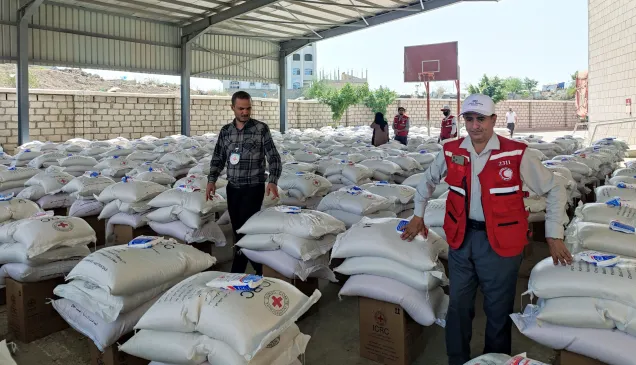
 Frequently asked questions about the ICRC’s work in Yemen
 Legal factsheet 29-07-2026