
Subscribe for as low as $2/week to access this story and all reporting.
By entering your email, you agree to receive AL-MONITOR's daily newsletter and occasional marketing messages.Why AL-MONITOR?
AL-MONITOR is an award-winning media outlet covering the Middle East, valued for its independence, diversity and analysis. It is read widely by US, international and Middle East decision makers at the highest levels, as well as by media, thought and business leaders and academia.
Read by





Live news & notifications
Follow over 100 expert journalists based across the region and get notified in real time of breaking stories and exclusives. *Expanded coverage on Energy & Defense sectors. Premier analysis of the Middle East
Access the sharpest and most diverse regional minds giving you all the angles on regional trends. Live events & video
Priority access to roundtables, summits and other events alongside AL-MONITOR's global community of regional influencers. Specialized Newsletters
Get timely reporting on key countries and sectors with up to 10 daily and weekly newsletters straight to your inbox. Big, exclusive interviews
Follow conversations with the region's biggest names in politics and business. AL-MONITOR archives since 2012
Access a repository of over a decade's worth of regional coverage, insights and trends. Subscribe for unlimited access
By becoming an AL-MONITOR subscriber, you drive our team’s rigorous and independent journalism spanning the Middle East.
ContinueRelated Articles
 Analysis
 Iran’s strategy unravels: Assad fall and collapse of Tehran's regional bloc
 Ali Hashem In Doha, reporting on Iran, regional politics, conflict
  Analysis
 Quds Force chief’s low-profile Baghdad visit highlights Iran's strategic pivot
 A correspondent in Tehran In Tehran, reporting on politics
  Analysis
 From Beirut to Bab el Mandeb, Iran tests new deterrence strategy
A correspondent in Tehran In Tehran, reporting on politics 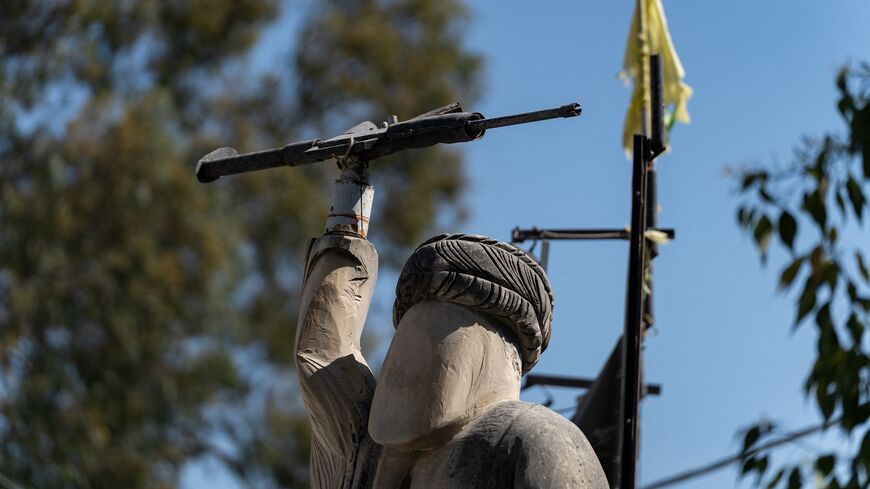 Analysis
 Why Iran is making Hezbollah a red line in postwar diplomacy
A correspondent in Tehran In Tehran, reporting on politics Related Newsletters
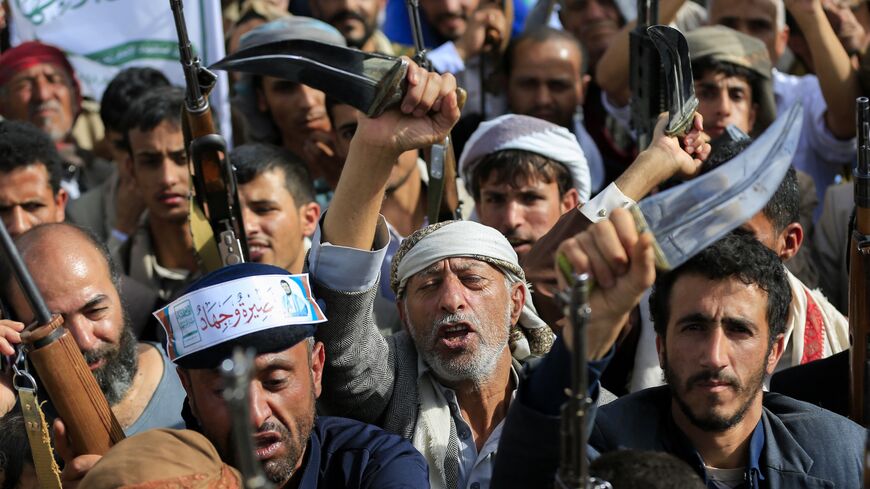 Newsletter: Gulf
 Saudi Arabia’s southern front is back
 Francesco Schiavi In Bologna, reporting on security, defense, economy, governance
 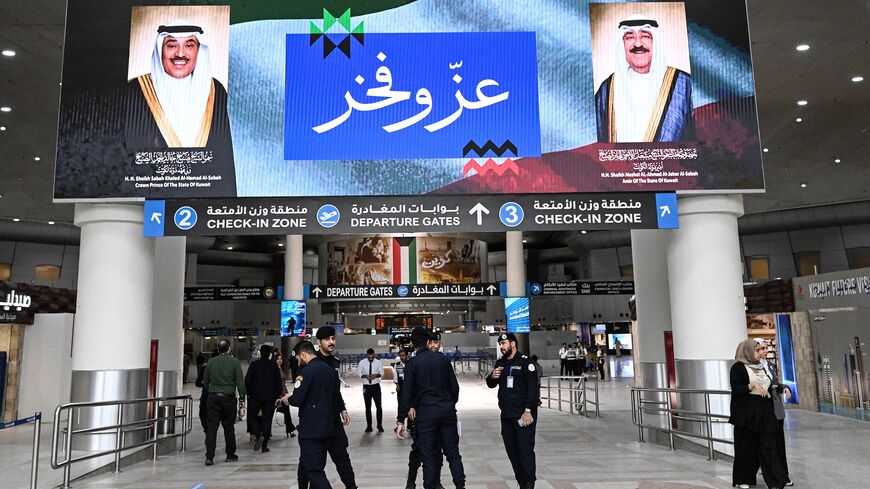 Newsletter: Gulf
 Kuwait’s Iran dilemma is getting harder to ignore
Francesco Schiavi In Bologna, reporting on security, defense, economy, governance 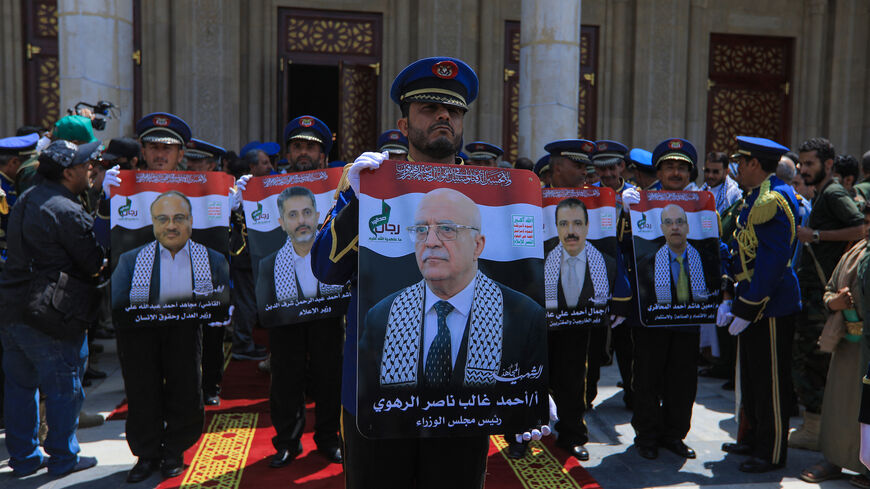 Newsletter: Israel
 Behind the scenes of Israel's Yemen operation

 Rina Bassist , Ben Caspit
  Newsletter: Daily Briefing
 Will Hormuz reopen?
 Gabrielle Debinski In New York City, reporting on the Middle East Analysis How Hamas disarmament deal may test Iran's regional strategy
 A possible Hamas decision to disarm would represent more than a Gaza development, testing Iran's decades-old strategy of projecting power through regional allies.
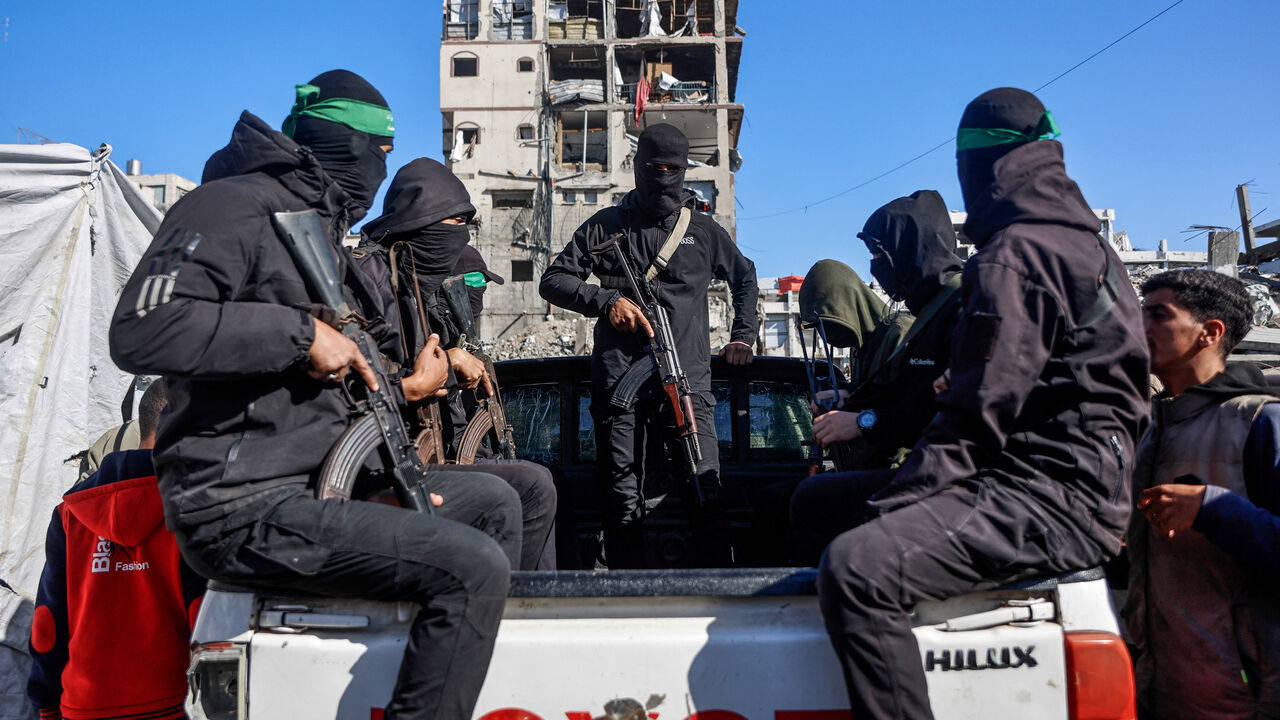
A correspondent in Tehran Aug 1, 2026 TEHRAN — The Gaza deal announced this week by US President Donald Trump's Board of Peace would require Hamas to dismantle its armed capabilities as part of a wider framework involving a ceasefire, Israeli withdrawal and the creation of a new Palestinian administration in Gaza. If Hamas follows through on the agreement to disarm, the consequences could extend far beyond the Palestinian territory, potentially becoming one of the most serious challenges yet to Iran's regional strategy.
Trump called the agreement "a major step toward lasting peace and security," saying it would ensure that Gaza no longer serves as a base for attacks against Israel. But for Tehran, the significance lies elsewhere: whether one of its closest regional partners is moving away from armed resistance as the central pillar of political influence.
For decades, Iran has been building its regional deterrence strategy around what it calls the "Axis of Resistance" — its network of armed groups including Hamas, Hezbollah in Lebanon, the Houthis in Yemen and allied militias in Iraq and Syria. The policy has allowed Tehran to project power beyond its borders while maintaining a degree of strategic distance from direct confrontation.
Hamas' reported acceptance of the framework does not mean the group has already surrendered its weapons. Significant questions remain over implementation, verification and whether Israel will fulfill its own commitments.
You're reading a free AL-MONITOR Original
Want more like this?
AL-MONITOR All-Access gives you unlimited access to all our journalism, the full Daily Briefing, exclusive interviews, premium newsletters, and live events — for less than $2/week.
Terms and PrivacySUBSCRIBER EXCLUSIVE
Continue reading this exclusive analysis
Original reporting and analysis unavailable elsewhere. Suscribe to AL-MONITOR to read this story and access everything we publish
See OffersRead By
Related Articles
Analysis Iran’s strategy unravels: Assad fall and collapse of Tehran's regional bloc
Ali Hashem In Doha, reporting on Iran, regional politics, conflict Analysis Quds Force chief’s low-profile Baghdad visit highlights Iran's strategic pivot
A correspondent in Tehran In Tehran, reporting on politics Analysis From Beirut to Bab el Mandeb, Iran tests new deterrence strategy
A correspondent in Tehran In Tehran, reporting on politics Analysis Why Iran is making Hezbollah a red line in postwar diplomacy
A correspondent in Tehran In Tehran, reporting on politics Related Newsletters
Newsletter: Gulf Saudi Arabia’s southern front is back
Francesco Schiavi In Bologna, reporting on security, defense, economy, governance Newsletter: Gulf Kuwait’s Iran dilemma is getting harder to ignore
Francesco Schiavi In Bologna, reporting on security, defense, economy, governance Newsletter: Israel Behind the scenes of Israel's Yemen operation
Rina Bassist , Ben Caspit Newsletter: Daily Briefing Will Hormuz reopen?
Gabrielle Debinski In New York City, reporting on the Middle East